
The fascinating evolution of casinos through the ages
The Origins of Gambling and Early Casinos
The roots of gambling can be traced back thousands of years to ancient civilizations, where games of chance were played with rudimentary tools. Evidence suggests that the Chinese were among the first to engage in gambling as early as 2300 BC, using dice made from bone. In addition to dice games, the Chinese developed a lottery system, which laid the groundwork for future gambling establishments. These early forms of gambling highlight how humanity has long sought ways to add excitement and uncertainty to their lives.

As societies evolved, so did the concept of gambling venues. The first official casinos appeared in Europe during the 17th century. The Casino di Venezia, established in Italy in 1638, is often recognized as the oldest casino still in operation. These early casinos were typically exclusive venues for the upper class, offering games like baccarat and faro. The atmosphere was lavish, characterized by opulence and elegance, and provided patrons with not just gaming but also a place for social interaction. Pinco login
The rise of gambling during this period was closely linked to the broader economic changes of the time. The establishment of casinos coincided with the emergence of modern banking and financial systems, which allowed for larger sums of money to be gambled. This intersection of finance and entertainment set the stage for the explosive growth of the gambling industry in the centuries that followed, influencing everything from legal regulations to cultural perceptions of gambling.
The Growth of Casinos in the 19th Century
The 19th century marked a significant turning point for casinos, particularly with the establishment of Monte Carlo in 1863. This glamorous casino attracted wealthy patrons from around the globe, solidifying the reputation of casinos as luxury entertainment venues. The allure of Monte Carlo not only popularized gambling but also inspired the creation of similar establishments in other European cities, leading to a casino boom across the continent.
During this period, innovations in gaming technology also emerged. The introduction of the roulette wheel and other mechanical games transformed the gambling experience, making it more exciting for players. The mechanics behind these games became sophisticated, and the potential for large payouts attracted an even broader audience. As a result, casinos began to expand their offerings, incorporating various games to cater to different tastes and preferences.
Additionally, the 19th century saw the rise of gambling as a popular pastime among the masses. With the proliferation of railways, more people could travel to gaming hotspots, making gambling accessible to a wider audience. This democratization of gambling culture set the stage for the modern casino industry, which would continue to evolve and adapt to societal changes in the decades to come.
The American Casino Boom and Regulation
The early 20th century witnessed the emergence of casinos in the United States, with Las Vegas becoming the epicenter of American gambling culture. Initially established as a hotbed for organized crime, Las Vegas casinos rapidly evolved into legitimate businesses following the legalization of gambling in Nevada in 1931. This pivotal moment laid the groundwork for the city’s transformation into a global gambling capital, attracting tourists and investors alike.
As the popularity of casinos grew, so did the need for regulation. In response to concerns about crime and unfair practices, governmental bodies introduced a framework for regulating the gambling industry. This included licensing requirements for operators and measures to ensure fairness and transparency in games. Such regulations were crucial in establishing player trust, which in turn contributed to the industry’s rapid expansion.
By the latter half of the 20th century, casinos became synonymous with entertainment. The Las Vegas Strip emerged as a vibrant hub of lavish resorts and entertainment options, drawing millions of visitors annually. The integration of dining, shows, and nightlife transformed casinos into comprehensive entertainment complexes, offering experiences beyond mere gambling. This evolution contributed significantly to the economics of the gambling industry, as casinos capitalized on their appeal to diversify revenue streams.
The Digital Revolution and Online Casinos
The advent of the internet in the late 20th century ushered in a new era for the gambling industry, fundamentally changing how people engage with casinos. Online casinos began to appear in the mid-1990s, providing players with the convenience of gambling from home. This shift not only expanded the audience for gambling but also introduced innovative gaming experiences that were previously impossible in traditional settings.
Online casinos implemented advanced technology to enhance user experience, offering a range of games, including slots, poker, and blackjack, accessible at the click of a button. The rise of mobile gaming further propelled this trend, allowing players to gamble on their smartphones and tablets. As online gambling gained popularity, regulatory bodies across the globe scrambled to establish legal frameworks to ensure player safety and security.
The growth of online casinos also prompted traditional establishments to adapt and innovate. Many brick-and-mortar casinos developed their own online platforms, creating a hybrid experience that allowed players to enjoy both environments. This convergence of digital and physical gambling experiences has created a dynamic landscape, making it essential for casinos to stay ahead of trends in technology and consumer preferences.
Understanding the Current Landscape of Casinos
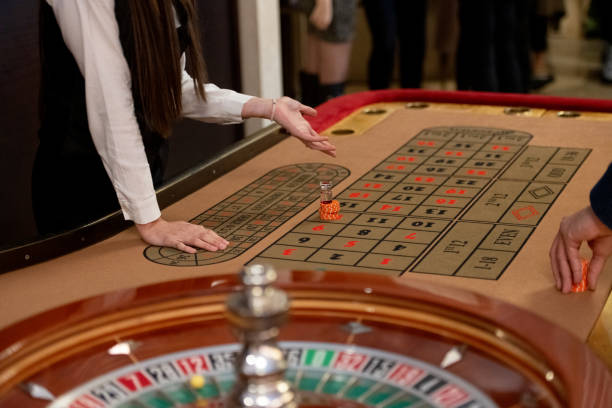
Today, casinos are multifaceted enterprises that extend beyond mere gambling. The integration of technology, data analytics, and immersive gaming experiences has become essential for attracting and retaining players. Innovations like virtual reality and live dealer games are revolutionizing how casinos engage with their customers, creating environments that mimic the excitement of physical venues.
Moreover, the economics of the gambling industry have evolved dramatically, with markets worldwide opening up to both online and physical gaming operations. Regulatory changes have made it possible for casinos to flourish in previously restricted areas, contributing to the industry’s rapid expansion. With this growth comes the responsibility of ensuring player protection, as regulations are continually updated to meet the demands of an ever-changing landscape.
For those interested in diving deeper into the world of casinos, our website offers comprehensive resources on the evolution of casinos and the regulations shaping online gaming. We provide insights and data that empower players to make informed choices while navigating the exciting realm of gambling. Whether you’re a seasoned player or a newcomer, we aim to enhance your understanding of this fascinating industry.
Comments (No Responses )
No comments yet.